A frontier story can survive a stretched plot, but it stumbles over a tin cup that rings like plastic. Readers of western folklore notice the small things: how a saddle is cared for, what a storekeeper writes in a ledger, whether a sheriff travels by horse, stage, or rail. The fix is not a pile of books beside the desk. It is a short list of sources that answer the questions your scene actually raises. Use this checklist as a working tool, not a reading list to finish.
Start With a Question You Can Answer
Before you open a single archive box, write down two or three questions. Not themes—questions. What did a family eat in January on the southern plains? How did a county clerk record a brand? What did a dry-goods store in a railroad town stock in 1883? A question like “What was the frontier really like?” is too large to answer. A question like “What did a stagecoach passenger pay for a meal, and what was on the plate?” can be checked.
Keep those questions in a notebook and add new ones as the story develops. If a character needs to send a telegram, find out where the nearest office was and who staffed it. If a family is struggling through a drought, look for newspaper reports, farm bulletins, and letters from the same county. Research is not a mood. It is a series of small, checkable questions. The narrower the question, the more useful the answer will be when you sit down to draft.
The Ten-Source Checklist
These sources cover the ordinary machinery of frontier life: money, land, law, work, travel, and memory. You do not need all ten for every story. You do need to know which ones can answer the question in front of you.
- Local newspapers. Weekly papers are gold for weather, prices, court notices, arrivals, ads, lodge meetings, and accidents. Read the advertisements and legal notices, not just the headlines. Note the paper’s politics and town-booster tone; a report may be accurate in fact and wrong in emphasis. If a saloon burns in your chapter, check whether the paper reported the alarm, the damage, and the inquest—or only the owner’s loss.
- Census and tax records. Population schedules give households, ages, birthplaces, and occupations. Agricultural and manufacturing schedules show crops, livestock, and tools. Tax rolls show property and sometimes livestock. Use them to build families and neighborhoods, not to prove a single dramatic event. A census can tell you that a character’s neighbor was a wheelwright; it cannot tell you whether the neighbor was trusted.
- Land and property records. Deeds, homestead files, plat maps, survey notes, and mortgage records show who owned what, how land was described, and when a claim was proved. A homestead file can include testimony about improvements, which is useful for cabin details and neighbors’ names. A metes-and-bounds deed will also give you the exact language a character might use when arguing over a fence line.
- Court and probate records. District court files, coroner’s inquests, probate inventories, and guardianship papers reveal disputes, debts, household goods, and the language people used. A probate inventory may list a frying pan, a rifle, and three chairs; that is better than a generic cabin interior. Coroner’s testimony can supply time, place, witnesses, and the blunt physical detail a scene needs.
- Military and pension records. Service files, pension applications, fort post returns, and quartermaster records show enlistment, equipment, pay, illness, and movement. Pension files often include depositions from neighbors and family, which can be rich but also shaped by the need to prove eligibility. A post return may show how many horses were unfit for duty; that is a better detail than a vague mention of a cavalry troop.
- Diaries, letters, and memoirs. These give voice, routine, and prejudice. Read them for what the writer assumes, not only what he or she states. Memoirs written decades later can be vivid and useful, but check dates and events against contemporary records. A diary may complain about coffee substitutes, a letter may mention a borrowed mule, and both can tell you more about daily life than a grand narrative of settlement.
- Photographs and visual materials. Stamped photographs, stereographs, postcards, and newspaper illustrations show clothing, tools, buildings, and poses. Ask who made the image and why. A studio portrait is a performance; a snapshot may be more casual but still selected. Look at the edge of the frame, too: the bucket by the door, the mud on the boots, the way a porch board has warped.
- Museum collections and material culture. Local museums, historical societies, and historic sites preserve saddles, cookware, clothing, farm tools, and household goods. Handle with permission or study catalog records. A measured object can correct a vague description faster than a page of prose. Ask a curator about the weight of a cast-iron skillet or the fit of a work harness; those answers change how a character moves.
- Oral histories and folklore collections. State folklore archives, Federal Writers’ Project materials, and family interviews preserve songs, sayings, remedies, and stories. Treat them as memory and performance, not as court testimony. Note who told the story, when, and to whom. A family story about a horse thief may preserve a real feud, a local joke, or both; your job is to notice which parts carry the weight of lived detail.
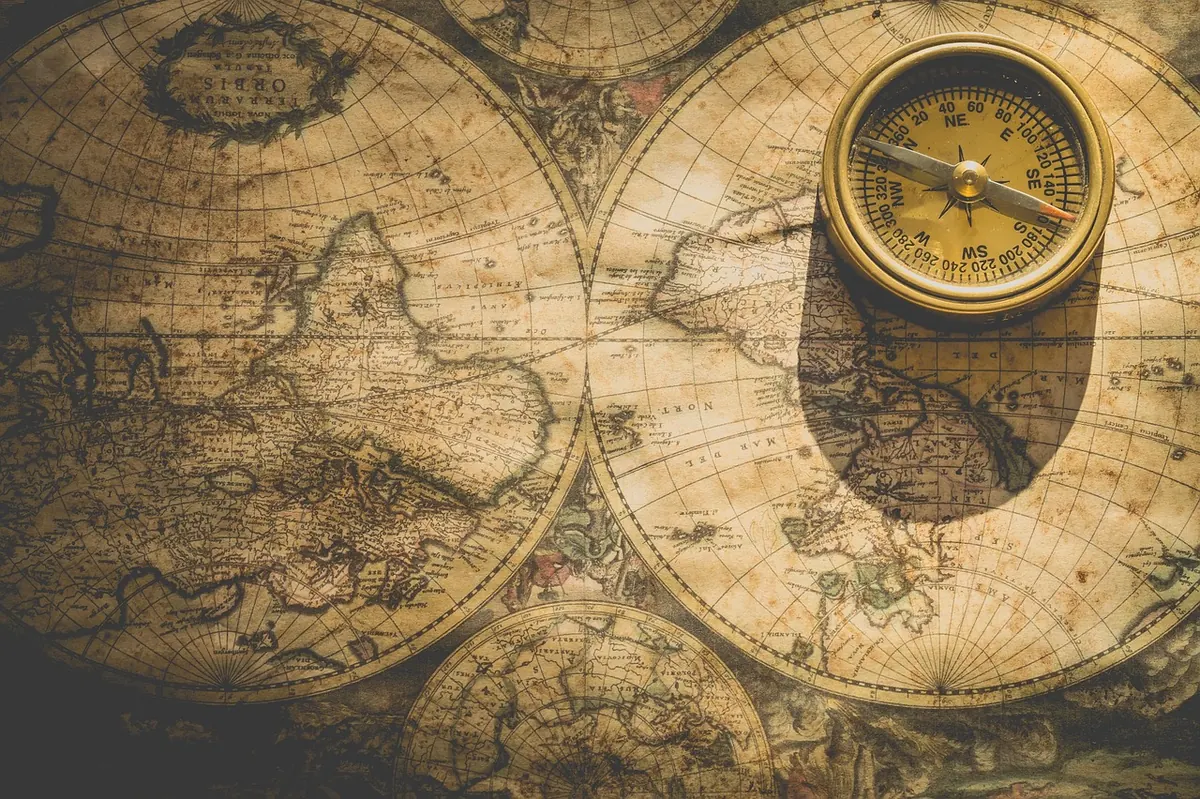
- Maps, directories, and business records. Sanborn maps, General Land Office plats, city directories, railroad guides, store ledgers, and brand registers show the shape of a town, who lived where, what was for sale, and how people moved. A ledger’s columns can tell you more about credit than a plot summary. A Sanborn map can show whether the livery stable sat next to the hotel or across the tracks, which may decide how your character hears the night.
A quick way to read each entry
Every source answers a different kind of question. Newspapers tell you what was public; diaries tell you what was private; ledgers tell you what was counted; objects tell you what was used. When one source gives you a fact, ask what kind of fact it is. A newspaper advertisement is evidence of what a store wanted to sell; a ledger is evidence of what a customer bought.
Cross-Check the Load-Bearing Details
Use one source to suggest a detail, two to support it, three to make it load-bearing. If a character is a sheriff, a county history may name him, a newspaper may report his arrests, and a court file may show how he served process. If a character is a cook, a probate inventory, a store ledger, and a photograph can together show the pots, flour, and stove.
Do not average sources into a smooth, false middle. When they disagree, keep the disagreement. It may be the story. One paper calls a man a rancher; a tax roll calls him a laborer; a letter calls him a thief. That gap is worth investigating, not explaining away.
Read Sources for Texture, Not Just Facts
Research is not a scavenger hunt for objects. It is a way to hear the period’s habits of speech and work. A letter may mention a neighbor’s borrowed mule; a newspaper may complain about a muddy street; a store ledger may show a customer paying in eggs. Those details do more than decorate a scene. They show how people got through a week, a debt, a winter.
Build a Research File That Drafts Can Use
A research file that cannot be used during drafting is only a pile of good intentions. Keep it small and searchable. For each scene that needs grounding, create one note with the question, the source, the quotation or image, and a plain-language summary. If you cannot summarize the detail in one sentence, you probably do not yet know how it will serve the story.
- One question per note. “What did a homestead proof hearing ask?” is useful. “Homesteading” is not.
- Copy the exact phrase. Keep the period wording, even if you will not use it in dialogue. It trains your ear.
- Record the source and date. A newspaper page, a ledger entry, a catalog number, a map sheet. Future you will not remember where the detail came from.
- Mark the uncertainty. If a source is a memoir written forty years later or a town-booster history, say so in the note.
This file also protects you from over-researching. When a scene needs a wagon part, you can check the note, use the detail, and move on rather than disappearing into a week of axle specifications.
When to Stop Researching and Start Writing
Research becomes procrastination when it stops changing the scene. Stop when you can answer the questions that the draft actually asks: what is on the table, who owns the land, how the sheriff gets paid, what the storekeeper writes in the ledger. You can keep a short list of open questions for later; you do not need to settle every fact before the first draft.
A detail is ready when it can do work in the scene: reveal character, create friction, mark time, or make the place feel used. If it only proves you read something, save it for the next story.
Then write. Return to the checklist when a scene raises a new question, not before. The goal is not to reproduce a archive on the page. It is to make the reader trust the cup, the saddle, the ledger, and the road.
Photo: Ylanite / Pixabay